
Microsoft Teams Phone vs Cloud PBX for Luxembourg SMEs
Compare Microsoft Teams Phone, a cloud PBX, and the hybrid model for Luxembourg SMEs in 2026: costs, features, devices, and the right fit.
Jun 4, 2026
Both connect Microsoft Teams to the phone network. One keeps control and pricing on your side, the other just moves the admin screen. Here is how to choose.

Most people assume Operator Connect is the simple option and Direct Routing is the complicated one. That assumption quietly costs money.
Microsoft Teams isn't just chat and meetings. It can be your full business phone system, with real external calls on your business numbers, straight from the Teams app. To do that, Teams needs a connection to the public phone network. There are two ways to make it: Direct Routing and Operator Connect. They do the same job. They differ in who manages the connection, how much control you keep, and what you end up paying.
Direct Routing connects Teams to the phone network through a certified session border controller (SBC) and one or more SIP trunk providers. It's the model for organisations that need advanced call routing, existing telephony integrations, or international number management, and that want to keep control of their voice setup while using Teams as the interface.
Operator Connect doesn't add any telephony features over Direct Routing. The only real difference is where you administer it. Number assignment and basic call settings live in the Microsoft Teams admin center, while a telecom operator provides and bills the actual line. The end result is identical: people make and receive external calls in Teams.
Flexibility and control. You choose your operator, combine carriers, build advanced routing logic, run international dial plans, and connect existing PBXs, contact centers, or analog devices. It also keeps long-term costs in check, because your Microsoft licensing and your telephony usage stay separate. As call volumes, countries, or requirements change, the setup adapts with you.
Direct Routing has a reputation for being complex, because it relies on an SBC and voice configuration. That's only true if you run the SBC yourself. With a fully managed service, you never touch it. The operator runs the SBC, the routing, the security, the monitoring, and the provisioning for you.
Number assignment and basic settings sit inside the Teams admin center, so there's no separate portal for day-to-day user changes. The operator still delivers and bills the line, so you're not running voice infrastructure yourself.
"Simpler" is mostly a story. Teams telephony isn't intuitive wherever you configure it. You still have to understand voice policies, dial plans, number assignment, emergency calling, and user modes. The learning curve doesn't go away because the screen changed.
It also doesn't remove complexity, it relocates it. Routing, resiliency, and geographic limits are defined by the operator and Microsoft's framework, which leaves you less room to fit the phone system to how your business actually works. Advanced routing, hybrid setups, multi-operator strategies, and integrations with existing systems get harder, or stop being possible.
Here's the part the "Operator Connect is simpler" pitch skips: on price, there's no real difference between the two. Both need the same pieces and follow the same commercial logic.
Microsoft licenses are billed separately either way. Every user still needs Microsoft 365 and a Teams Phone license, no matter how Teams reaches the phone network.
Telephony always comes from an operator. Whichever model you pick, a telco bills you for numbers, call usage, and related services. That price isn't shown in Teams. You request it from the operator, usually after a commercial conversation, compliance checks, and a contract.
Operator Connect can even cost more. It often runs through aggregation platforms that sit between the operator and Microsoft. Those extra layers add cost, which is passed on to you, and they can add network latency. For larger deployments, international use, or higher call volumes, Operator Connect frequently ends up the more expensive option.
So Operator Connect doesn't cut the number of suppliers or simplify pricing. It changes the technical integration, not the bill.
Both models let you call externally from Teams. Direct Routing stays ahead for any business that values flexibility, cost control, and room to grow. Delivered as a fully managed service, it gives you that freedom without the infrastructure or the operational load. The SBC, routing, security, monitoring, and lifecycle are the operator's job. Yours is enabling users in Teams.
This is exactly how Voxbi delivers Teams calling. You get the architectural freedom of Direct Routing with the day-to-day simplicity people expect from Operator Connect, and none of the extra commercial layers. A Microsoft 365 or Teams tenant connects to our managed Direct Routing platform in under 15 minutes. And because Voxbi is a European operator, your numbers and your call data stay in the EU.
Thinking about adding calling to Microsoft Teams? See how the Voxbi cloud phone system works, get a feel for call flows, IVR and queues, or book a 15-minute demo and we'll show you a managed Direct Routing setup on your own tenant.
Compare Microsoft Teams Phone, a cloud PBX, and the hybrid model for Luxembourg SMEs in 2026: costs, features, devices, and the right fit.
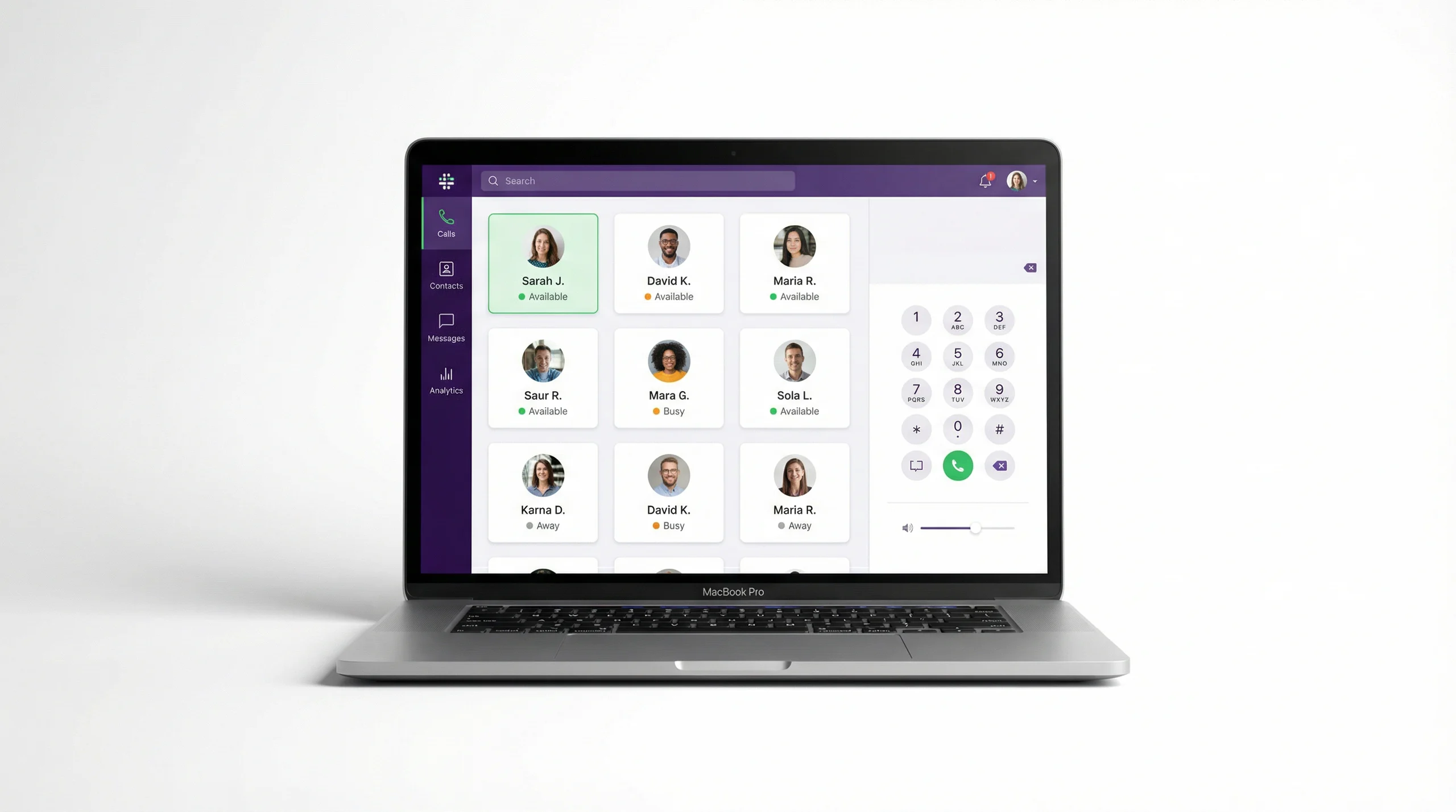
A plain-language explainer on cloud phone systems for anyone weighing up a move off traditional lines.
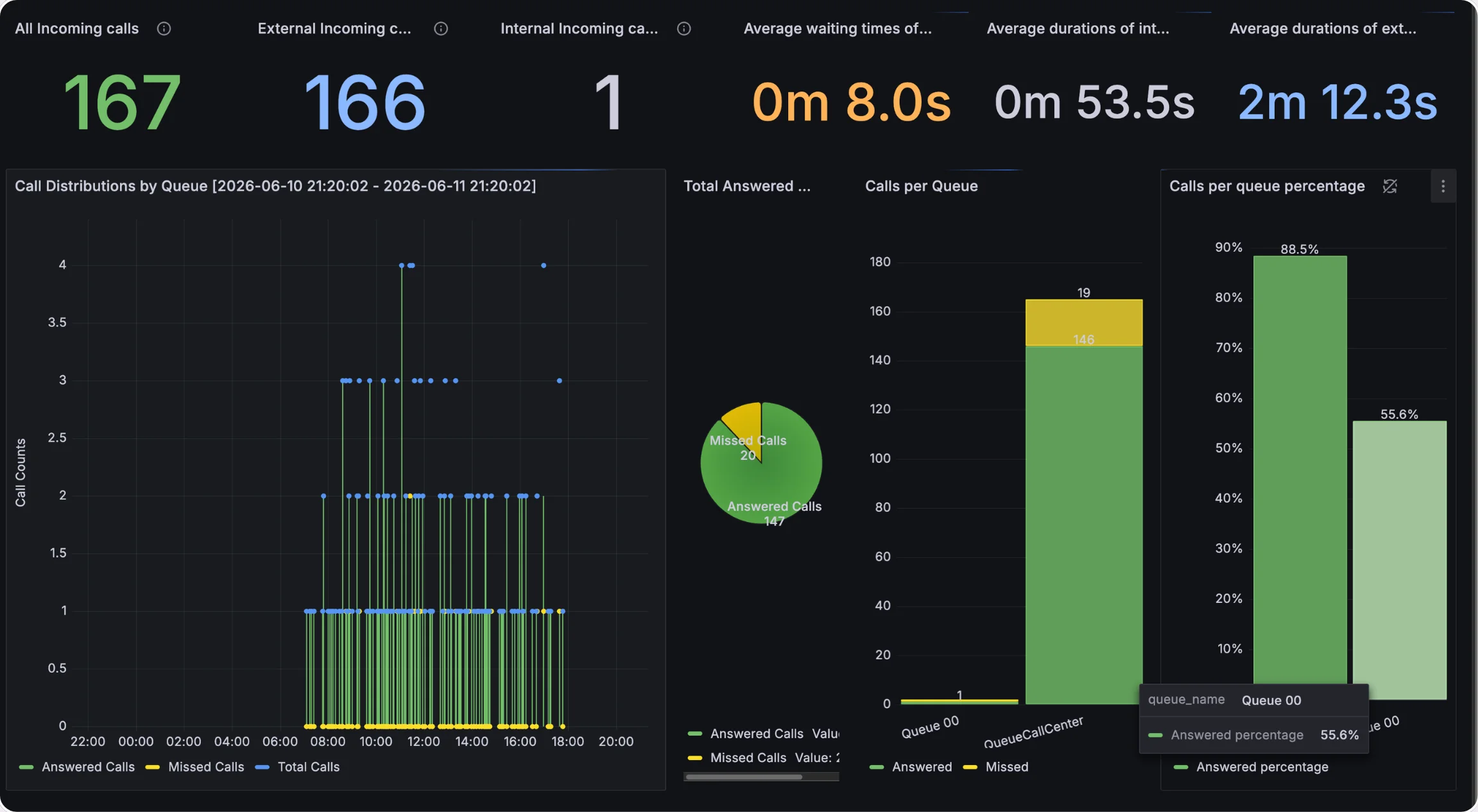
A practical checklist for evaluating cloud telephony, from call routing to where your data is hosted.
Talk to us or to a certified Voxbi partner.